Business owners and brand managers work hard to ensure customer satisfaction is met with every transaction — whether it’s catering for a party, servicing a vehicle, or a kitchen renovation.
But even brands with superior customer service can fall victim to negative reviews or feedback. When this happens, the reputation takes a hit.
Thanks to the internet, consumers can do their research before deciding if a business or product is right for them. This opportunity can either create a positive outcome or it could hinder the success of the brand.
A less-than-flattering social media post or sub-par review posted by a customer for the world to see can create a deal-breaker scenario for a potential customer. Whereas a positive message with an honest perspective could cause a potential consumer to work with your business.
Negative posts or reviews can spread further than any business owner or brand manager can imagine. This makes online reputation management essential.
But what is online reputation management and how can you put it to work for your business?
Defining ORM
ORM stands for online reputation management (as it is more commonly referred to). It is the process of actively monitoring and addressing negative reviews, posts, or brand mentions online. The monitoring and addressing process can be implemented for social media, review websites like Yelp, Google Reviews, and many others.
It works by responding to comments made online and reacting to stories in the media, especially scenarios that paint a negative picture of the brand. Media responses can be made online through social media, issuing a press release, or taking an interview with a local news outlet.
Depending on the situation at hand and the negative portrayal, one course of action could be better than another.
And as important as it is to respond to less-than-stellar reviews or comments, it is just as important to respond to positive messages. A happy consumer who took the time to leave a review deserves just as much attention as one who made a disparaging comment.
How is Online Reputation Management Different from Public Relations?
Although public relations (PR) and online reputation management have the same goal — portraying the company in a positive light, there are key differences.
Public relations is external, implemented through advertising and promotional media efforts. Even though a PR firm can mitigate negative portrayals, it is typically a proactive effort used to strengthen brands rather than minimizing comments made about a brand.
A good PR campaign can also be used as a way to improve the appearance of a brand — whether it’s a company or public figure, when something negative has either happened or come to light.
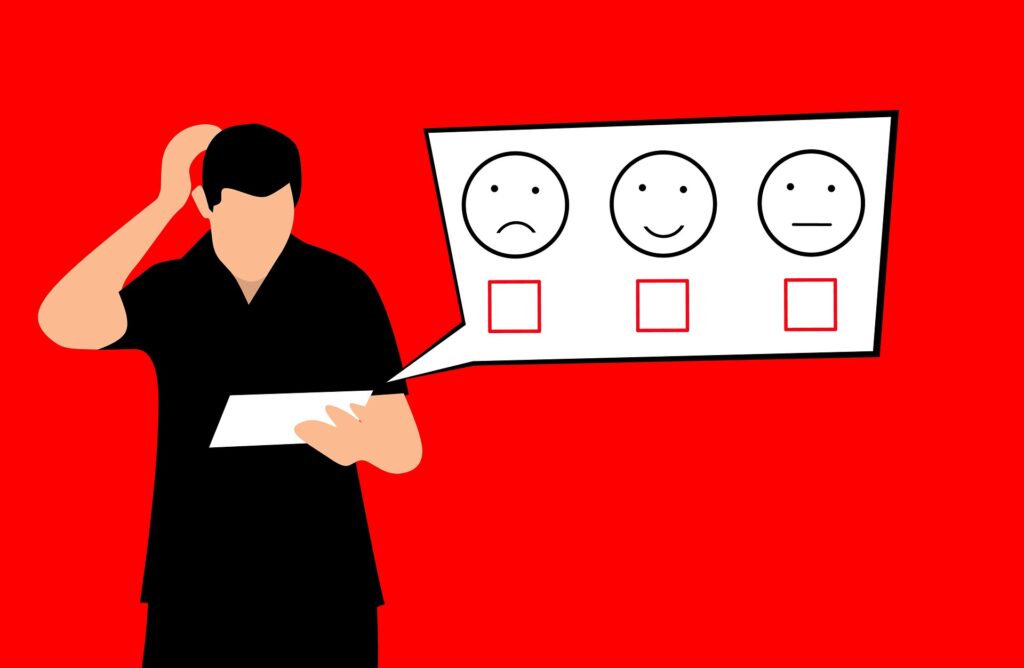
But online reputation management is typically reactive. The process involves looking for and responding to potentially damaging content from the public or other companies.
Whether the situation requires a complete public relations strategy or responding to a review to rectify the situation, it should be handled with style and grace. In fact, fighting fire with fire can create a negative appearance for the brand.
Stooping to their level can be a knee-jerk reaction but it’s best to handle the situation strategically.
Why Online Reputation Management is Important for Brands
Online reputation management is more than buzzwords for businesses — it’s an essential part of a brand strategy.
In addition to engagement, online reputation management ensures accurate business listings are active, relevant advertisements, and on-brand messaging.
According to Pew Research Center, approximately 70% of Americans were using social media by the year 2020 — and the numbers continue to increase. But it isn’t just Facebook or Instagram anymore, typical social media users have an account on eight different platforms — on average.
Essentially, this means the few people without some form of social media presence are my 100-year-old grandmother and her friends.
This creates a tremendous amount of potential for consumers to either create a positive message about your business, product, or service — or a negative message.
These figures simply reinforce the importance of online reputation management for brands.
Creating — and maintaining, a digital presence allows business owners to understand potential pain points for consumers, or areas that can be improved upon.
Can you please everyone? Typically, not. But that doesn’t mean the brand should forgo the outward appearance of making an attempt to fix a situation, improve a service, or add a product to the lineup.
It can also mean creating a strategy designed to monitor digital content — including identifying fake news, harassment, privacy violations, and many other areas of concern.
Protect Your Brand’s Online Reputation
As the need to convey messaging, product promotion, and create a digital community grows, so too does the need for online reputation management. But it can be a full-time job and without the proper resources or knowledge, it can get out of hand or become forgotten.
Ensuring a healthy digital presence is maintained and the community receives appropriate interactions is vital. And some of these issues can only be maintained successfully by a well-trained expert in the area of reputation management.
If your brand is in need of a tailored strategy — whether it encompasses multiple areas of advertising or just online reputation management, Elevation Ten Thousand has experts in every field who can build and implement a strategy for your brand.
If you’re ready to have a conversation and see what a tailored strategy can do for your business, contact us today. We’ll be ready to talk.