Commercial production costs typically range from as little as $20,000 to several million dollars, depending on the needs of the production. Producing a commercial involves various stages, with each one contributing to the overall cost. So, what goes into making a commercial? Let’s take a closer look at the factors that contribute to the cost of producing a commercial, from pre-production to post-production.
The Essentials of Commercial Pre-Production
Long before pressing “record” on a commercial’s production, production specialists must complete several steps. This planning phase, also known as pre-production, is a critical component for success and an important way to mitigate costs because it allows both the video production company and the client to think about and analyze the product to fully understand its scope.
Concept Development
The initial stage of pre-production occurs when the team starts to develop the concept of the commercial in general and then breaks it down into its component parts. During this phase, the creative team will do a lot of brainstorming, idea generation, and concept development. At this stage, costs may include creative director fees, scriptwriting, and concept testing.
Specifically, the concept development phase includes a few key items that must be completed before moving beyond the pre-production stage of a commercial.
- Script Writing: Developing a script that communicates the key message of the commercial
- Storyboarding: Creating visual representations of key scenes in the script
- Creating a Shot List: Producing a document that lists what will occur and what items and equipment are needed for each scene of the commercial
Casting and Location Scouting
Once a script is in hand, it is time to give it some life — literally. The next phase of the pre-planning stage is casting the commercial. This process of selecting and hiring actors involves audition costs, talent fees, and negotiations. Depending on the complexity of the script and the number of roles in the commercial, this phase can vary in cost.
In addition, this is also the time to find suitable locations for shooting the commercial itself. This may involve travel, permits, and/or rental fees for the chosen locations.
The Crew and Its Equipment
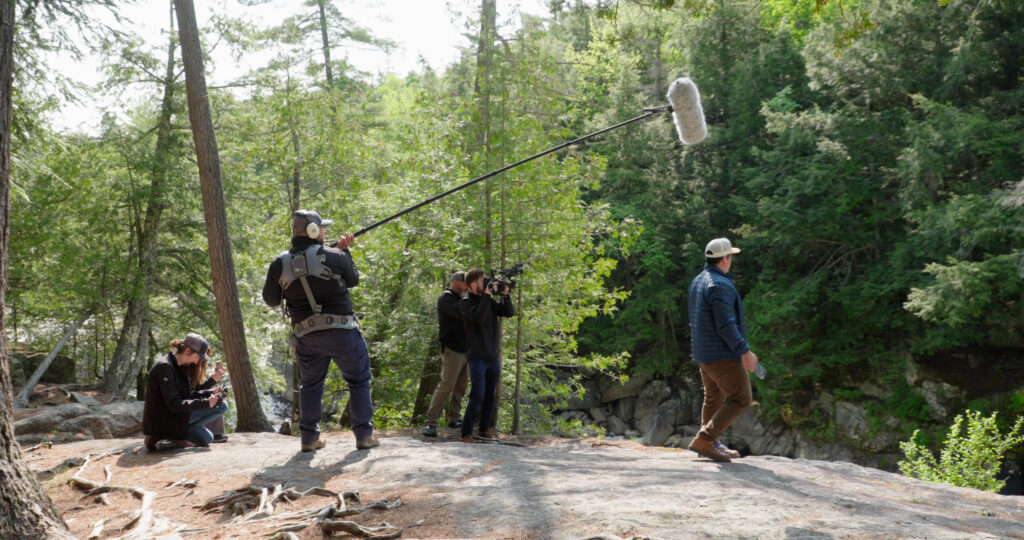
In addition to actors, a good commercial must also rely on the skills of a talented crew, including a director, cinematographer, production assistant, and other essential roles, depending on the complexity and vision of the script. Beyond acquiring a crew, it’s essential to have the equipment they will need to do their jobs. In some cases, video production companies have this equipment in-house, but at other times, specialized equipment must be rented for particular production needs. This includes items such as cameras, lenses, lighting, and specialty rigging equipment.
Wardrobe, Props, and Set
Actors need more than acting skills to truly become characters, so another part of the pre-planning process is securing wardrobe and makeup services. This includes finding or creating costumes and hiring hair and makeup artists and wardrobe specialists.
This is also the time to consider props and set design, including the need to acquire or create props as well as steps for designing and building sets.
The Production Phase: Capturing Your Vision
The production phase of making a commercial refers to the actual filming, whether it takes place on location, on a designed set, or in a studio. It includes the entire process of capturing the imagery that will go into the commercial. The length of time that you spend filming will directly affect the final cost of the commercial because production days typically have the largest number of resources on site per hour relative to the rest of the production process.
Additionally, it’s necessary to consider various other factors that can affect both filming time as well as other extraneous costs.
On-Location and Studio Filming
Filming a commercial on location versus filming in a studio are two distinct approaches, each with its own set of advantages, considerations, and costs. Studios, for example, charge rental fees, but the controlled environment can help with better cost predictability, helping you avoid unexpected expenses related to weather or location-specific challenges.
On the other hand, shooting on location can offer more authenticity, but it may also involve additional costs for permits, travel, accommodation, and possibly even specialized equipment. Regardless of the location, it will be necessary to factor in other time and cost considerations. For example, regardless of a set’s location, you will need to prepare the set, including placement of lighting, camera positions, and props, before filming can begin.
Coordination and Management of Cast and Crew
The number of days spent on the set affects the total cost for cast and crew salaries, equipment rentals, location fees, and other production-related expenses. Therefore, it is important to consider location management, team management with the crew, and hiring on-screen talent as well as background extras as significant components of cost. The cast and crew must work together on locations to ensure that the production stays on time and on budget.
Post-Production: Perfecting the Final Cut
For some members of a commercial crew, the real work begins after filming ends. This phase, known as post-production, is when the raw footage is combined in editing software and the story begins to take shape. Technicians meld sound with images and add digital enhancements and special effects. Each of these steps is highly detailed and technical.
Experienced commercial producers can get through these phases faster and with less effort, decreasing the time it will take to get the commercial on-air as well as reducing its overall cost. Let’s look at each of these post-production phases in more detail.

Digital Media Management
Step one in post-production includes managing all the digital media assets captured during the production phase. A professional must organize them, back everything up, and start to sort and catalog them all.
Assembly Edit and Rough Cut
After organizing your assets, it’s time to create a first draft called an “assembly edit” for the internal team to work through and evaluate. They must then refine the “assembly edit” into a client-facing “rough cut” to approximate the finished commercial. This rough cut is given to the client for feedback before moving forward.
Picture Lock and Final Edits
The next phase in post-production takes place with producers refining the rough cut with the client with the goal of getting “picture lock,” a status that involves locking in the sequence of shots. During this phase, producers also create the “fine cut” or final edits where they edit for pacing, flow, and storytelling.
Post-Production Audio
Post-Production Audio includes:
- Music Selection & Editing: Selecting and integrating background music or scoring original tracks for a production.
- Sound Design: Using on location sound, sound effects libraries, and sometimes creating original sound effects, the team crafts the sonic world of a piece.
- Voiceovers: Directing and Recording Voice Actors for any necessary voiceover work in the commercial.
- Sound Mixing: Balancing all the levels of music, sound effects, location audio, voiceover, and dialogue to create a pleasant and easy to understand listening experience.
This phase may also include mixing the sound for television, web, and any other deliverable formats for the commercial.
Color Correction and Motion Graphics
Similar to sound design, post-production also includes manipulating the visual elements of the commercial, including color correction, adjusting and enhancing the color of the footage, and adding graphics and animation as needed.
Your Story, Our Expertise: Versatility in Commercial Production
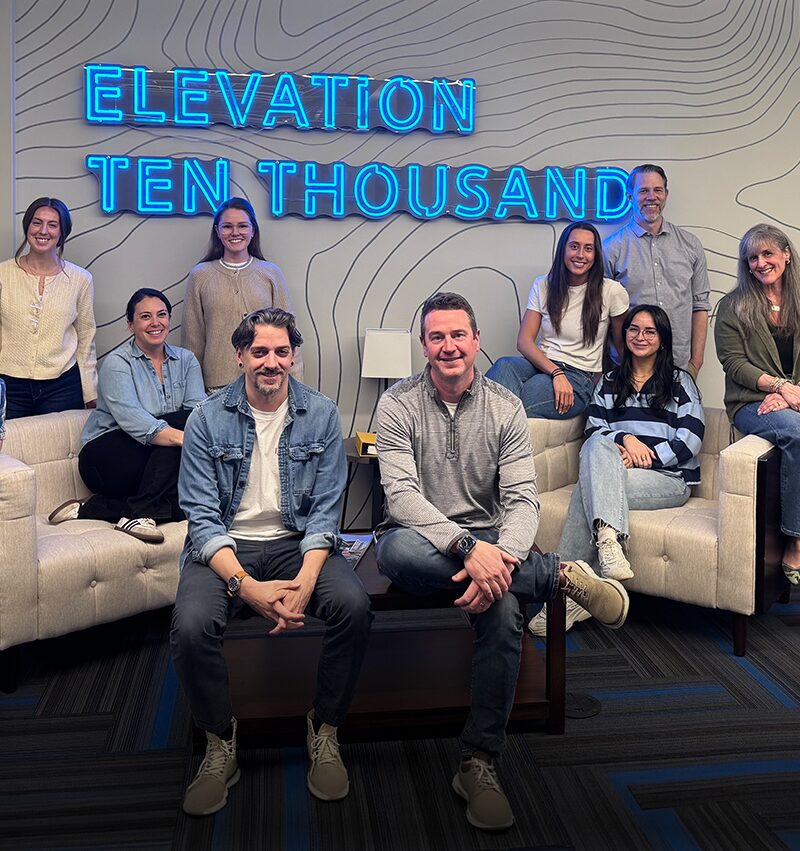
From filming compelling testimonials to producing elaborate, stunts-heavy Super Bowl commercials, the team at Elevation Ten Thousand is ready to tackle commercial projects of any size. We have experience creating everything from 30-second television commercials to 30-minute documentaries. Our team’s experience includes telling stories of all types and lengths.
Elevate Your Brand with E10K: Let’s Create Together
At Elevation Ten Thousand, our video production team understands that every project and every client is unique. We happily customize the scope of production to meet the needs of each client. Ready to learn more and start your journey to filming the ultimate commercial for your business? Contact us today.